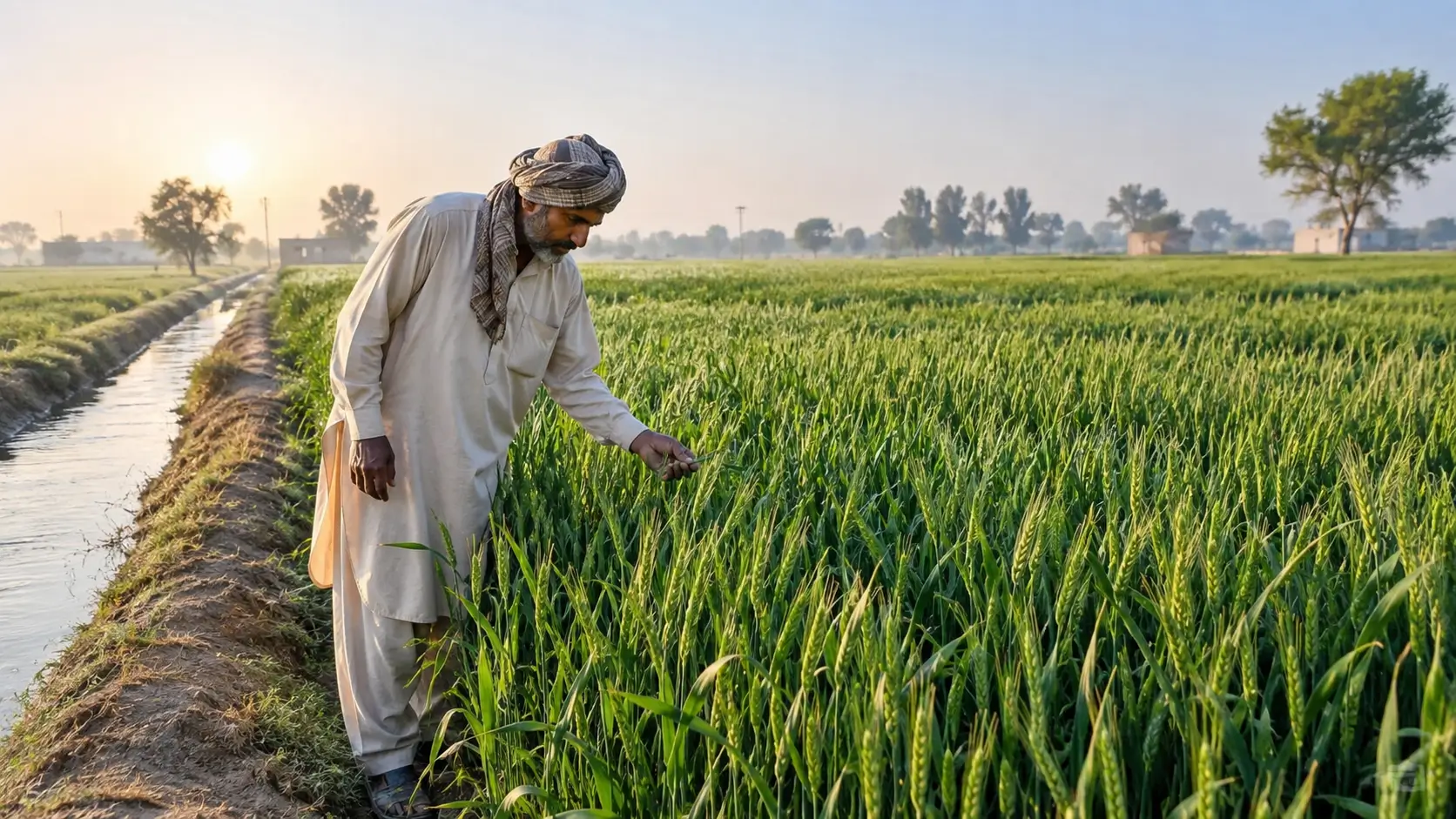
August is an important month for farmers across Punjab and other agricultural regions of Pakistan. The Kharif season is well underway, monsoon moisture can change field conditions quickly, and major crops such as rice, cotton and maize require regular monitoring.
However, an August crop calendar should not be treated as a simple list of seeds to plant. In many areas, major Kharif crops are already established by this stage. For some farmers, August is about late planting or selecting short-duration options, while for others it is mainly about irrigation, drainage, crop health, weeds and pest monitoring.
The right decision depends on your district, soil, irrigation availability, rainfall, crop duration and expected harvest window.
Farmers planning their next crop can explore Mehar Agro’s quality agricultural seeds and compare options according to local field requirements rather than selecting seed only by name or price.
August Farming in Punjab: What Matters Most?
Punjab has diverse farming conditions. A crop decision suitable for an irrigated farm in central Punjab may not be suitable for a field with limited water availability or different soil conditions.
During August, farmers should pay particular attention to:
- Recent and expected rainfall
- Soil moisture and field drainage
- Crop growth stage
- Irrigation timing
- Weed pressure
- Insect activity and visible crop symptoms
- Plant population and crop uniformity
- Expected maturity period
- Market or fodder requirements
Before choosing a new crop or seed variety, farmers can use Mehar Agro’s Seed Selection and Sowing Support to compare crop duration, field suitability, water availability and sowing requirements.
1. Rice Crop Management in August
Rice is one of the major Kharif crops grown in Pakistan, particularly across important rice-producing areas of Punjab. By August, many rice fields have already moved beyond initial establishment, making field management increasingly important.
Farmers should monitor plant colour, tillering, water condition, weed pressure and any unusual leaf or stem symptoms. Continuous water management does not mean allowing uncontrolled standing water after heavy rainfall. Field drainage and actual crop condition should guide irrigation decisions.
Where rice establishment or a suitable local planting window is still relevant, seed choice should consider variety duration, expected harvesting period and local suitability.
Farmers looking for rice options can review the available rice and seasonal crop seeds through Mehar Agro.
2. Cotton Crop Care During August
Cotton enters a particularly important management phase during the warm and humid Kharif period. Regular field scouting becomes more valuable than reacting only when visible damage has already spread through a large part of the field.
Check cotton plants from different parts of the field rather than inspecting only the edges. Look at new growth, the underside of leaves, plant vigour, flowering and boll development.
If leaves begin yellowing, curling, developing spots or showing insect damage, avoid assuming that every symptom has the same cause. Water stress, excessive moisture, nutritional imbalance, weather conditions, insects and diseases can sometimes create similar visible symptoms.
Mehar Agro’s Crop Health and Pest Advisory helps farmers review crop stage, field history, irrigation, recent weather and visible symptoms before deciding on practical next steps.
This diagnosis-first approach can help reduce unnecessary or repeated input use.
3. Maize Crop in August
Maize remains another important crop for Punjab farmers, whether grown for grain, silage or other farm requirements.
The correct August strategy depends strongly on the crop’s planting date and intended use. Established maize should be checked for plant uniformity, leaf damage, weed competition, moisture stress and drainage problems following rainfall.
For a farmer considering maize planting, maturity duration becomes particularly important. A seed that performs well in one planting window may not automatically be appropriate for a later window.
Mehar Agro provides seed-selection guidance based on factors such as farm location, irrigation, crop purpose and preferred harvest timing. Farmers can compare available maize options through the Mehar Agro seed range.
4. Fodder Crops for Livestock Farms
Farmers managing cattle or buffalo often need to plan crop production alongside continuous fodder requirements.
Depending on local conditions and planting windows, fodder choices may include crops such as charri and other seasonal fodders. The objective should not simply be rapid green growth. Farmers should consider water availability, expected cutting period, livestock requirements and the next crop planned for the same field.
Mehar Agro’s seed range includes seasonal fodder options, and farmers can discuss the field purpose before making a seed decision.
5. Seasonal Vegetables and Smaller Farm Plots
August can also be important for preparing vegetable plots and planning crops for the transition from the monsoon period toward the next seasonal window.
Vegetable planting dates can vary significantly by district, temperature, soil moisture and whether the crop is being grown commercially or in a kitchen garden.
Rather than using a national planting date for every location, farmers should match the crop with their actual local conditions.
The vegetable and seasonal seed options at Mehar Agro can be considered alongside sowing-time guidance.
Monsoon Crop Management: Five Priorities for August
Check Drainage Before Adding More Water
Heavy rainfall can leave some fields wet even when the normal irrigation schedule suggests that water is due. Check field moisture before irrigating again.
Monitor Crops After Rain
Rain, humidity and sudden temperature changes can alter crop conditions. Walk through the field after significant weather changes and look for lodging, standing water, unusual leaf symptoms or pest activity.
Avoid Blind Spraying
A damaged leaf does not automatically indicate one particular pest or disease. Identify the likely cause before choosing an agricultural input.
Watch the Weather Before Field Operations
Weather conditions can influence irrigation, fertilizer application, spraying and harvesting decisions. Mehar Agro’s Weather and Farm Risk Updates help translate weather information into practical farm precautions.
Keep Field Records
Record sowing date, seed variety, irrigation, major weather events and inputs used. These details become extremely useful when diagnosing a crop problem later.
Why Seed Selection Matters More Than Simply Choosing a Popular Variety
There is no single “best seed in Pakistan” for every farmer.
A seed should be evaluated according to crop purpose, maturity period, soil conditions, irrigation availability, planting window and local suitability. A variety that fits one district or planting date may be less suitable elsewhere.
That is why Mehar Agro combines seed availability with practical guidance. Farmers can browse agricultural seeds in Pakistan and then discuss their farm conditions before finalising a choice.
When Should You Ask for Crop Guidance?
Seek guidance when you notice:
- Uneven germination or plant stand
- Yellowing or curling leaves
- Sudden wilting
- Unusual leaf spots
- Insect damage
- Poor growth in patches
- Waterlogging after rainfall
- Unexpected crop stress
- Uncertainty about irrigation or the next field operation
For these situations, Mehar Agro offers agricultural services for Punjab farmers covering seed selection, crop health, sowing decisions and weather-related farm risks.